Navigating the Hidden Dangers in the Wellness Industry: Religious Influences and Christian Discernment

YouTube related video: Should Christians trust the wellness & coaching industry?
The wellness industry has exploded in popularity, permeating everyday life through social media, podcasts, and online communities. It’s not just about physical health; it often extends into coaching, lifestyle advice, and holistic practices. While many turn to wellness for better living, particularly women seeking to nurture their families, there are significant risks lurking beneath the surface. These dangers stem from subtle religious influences, misleading teachings, and a lack of biblical grounding. This article explores these issues, drawing from my discussion with Angela Mitchell on the topic, to highlight the need for caution and discernment.
The Rise of Wellness and Shifting Trust in Medicine
Since 2020, widespread mistrust in conventional Western medicine has driven many toward alternative approaches, often labeled as Eastern medicine. This shift isn’t merely medical—it’s deeply intertwined with Eastern religions, which fall under the broad umbrella of New Age philosophies. Practices influenced by Hinduism, Buddhism, Daoism, and vitalism are promoted on a massive scale by influencers, gurus, life coaches, and even functional health practitioners.
These figures frequently appear on popular podcasts, sell bestselling books, and host seminars, claiming groundbreaking insights into the body that mainstream science hasn’t yet recognized. The appeal is strong: promises of optimal health, happiness, and prosperity align with human desires for well-being. However, this often veers into a form of health, wealth, and prosperity gospel—a theology that suggests divine favor guarantees physical and financial success. Even among Christians who hold to sound doctrine, these ideas can be tempting, especially for mothers concerned about their children’s health, prosperity, and what it means to be successful in life.
The result? A confusing landscape filled with false teachings that lead to unhelpful behaviors, inhospitable attitudes, and what some describe as “rotten fruit”. Speaking out against these trends, such as questionable homeopathic remedies or chiropractic practices with unconventional elements, can provoke strong backlash. Critics are often accused of promoting pharmaceuticals or blindly trusting Western systems, when the real concern is the underlying religious beliefs that contradict, not just biblical truth, but can be a detriment to biblical sanctification.
The Perils of Life and Health Coaching
One particularly booming sector within wellness is life and health coaching, which has gained traction even within church communities. Unlike biblical counseling, where trained experts draw from Scripture to provide guidance, many life coaches complete brief courses—sometimes just a week long—before offering expensive programs. Prices can soar, with some coaches charging thousands of dollars for courses on “how to live your life.”
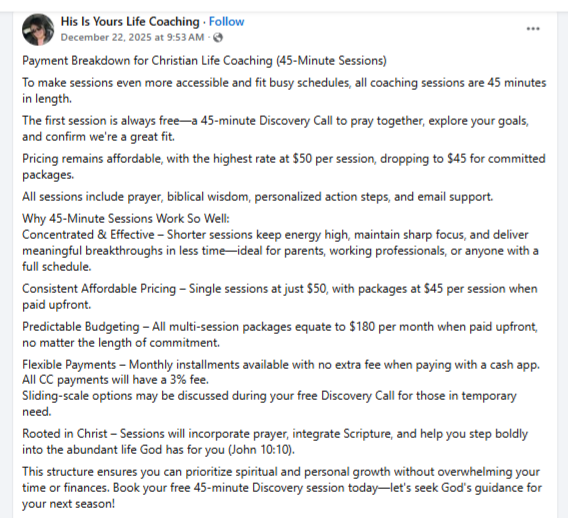

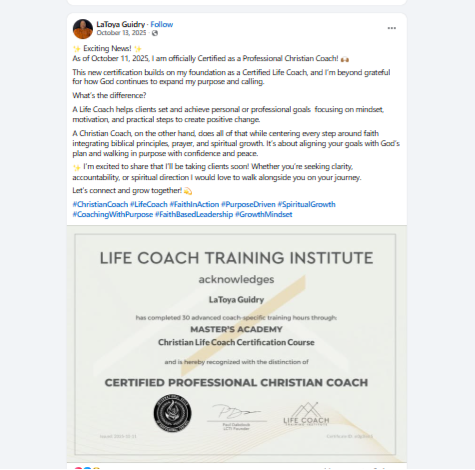

These programs frequently incorporate New Age and New Thought principles, blending them with wellness advice. The lack of biblical support for such coaching models raises red flags. Biblical counseling, first beginning with God’s glory as the foundation for life, relies on the Gospel and deep scriptural knowledge and expertise to equip Christians for eternal success, whereas much of modern coaching prioritizes quick fixes to deceive one into feeling and believing one is self-empowered, and is often rooted in non-Christian worldviews.
Unmasking Religious Presuppositions in Wellness Practices
At the heart of many wellness trends are religious presuppositions that believers must scrutinize. Practices like Reiki or yoga, for instance, may seem innocuous—perhaps just a form of energy healing or stretching. Yet, they originate from religious frameworks that emphasize accessing an inner divine spark or balancing spiritual energies, concepts echoed across false religions.
Understanding these foundations is crucial. Resources from experts like Marcia Montenegro, who has extensively covered New Age influences, can help unpack the spiritual underpinnings. Wellness, much like certain psychotherapies, often starts with assumptions that humans are inherently good or possess divine potential—ideas that clash with biblical teachings on sin and redemption.
For Christians, engaging in these practices risks mixing “Belial with God,” as one might put it, believing that pagan worship practices can be “redeemed” to bring benefit to the human body, spiritually (mentally) and physically. Take, for example, it’s one thing to stretch the body into a position similar to the “downward dog” for the physical benefit of muscle and blood health. It’s another thing entirely to perform Downward Dog for its actual yoga meaning- to unite body, mind, and soul through these positions. Downward Dog itself represents grounding, stability, and the balance of strength and flexibility, not just physically but mentally/spiritually. Traditionally, it is a pose meant to activate a number of the chakras, specifically the manipura and ajna chakras. “Activating the manipura chakra through adho mukha svanasana is thought to dispel fear and insecurity, while the ajna chakra stimulates perception and inspiration.” (https://www.yogapedia.com/definition/5191/adho-mukha-svanasana). To use yoga positions in this way is to adopt certain beliefs that are unbiblical, such as the belief that the body contains certain energy forces that can be tapped into and manipulated to unify with the divine. Unifying with the divine in this way is believed to “sanctify” by making them whole, happy, and healthy physically AND spiritually. This is where it all gets sinful, when we start to believe that we can control through the manipulation of the spiritual and physical. Taking on this belief subjects God to our standards and turns faith away from Christ and His work in our salvation and sanctification, and places it on what we do. When you start seeing Yoga and other “redeemed” pagan practices being advertised as a way to “deepen your faith” it is a clear red-flag that those bringing it in do not trust in Christ’s finished work nor the sufficiency of Scripture to equip you for salvation, righteousness, and sanctification.
This belief, that we can tap into the divine (God) or that God can “redeem” pagan religious practices to sanctify and make one more “godly,” is rapidly entering the Church today. We see many of these pagan and New Age practices being implemented by churches today under the training identified as “Holistic Christian Living”. Yoga is just one of many touted as being holistic in the wellness industry, encouraging women to be made physically and spiritually whole, sanctifying them through its practice. In this movement, Yoga is seen as a “tool” redeemed simply by applying meditation of Bible verses during physical poses and is “a way to truly give ourselves over in a physical and living worship to God”. See video clips below:
The body is the temple of the Holy Spirit, and introducing elements of pagan practices, hoping to build faith in God and sanctify, is using man-made traditions that open doors to deception. Satan excels at twisting truths, using false beliefs and methods to lie and mislead across all areas of life.
The Role of Discernment, Apologetics, and Sola Scriptura
To navigate this minefield, discernment and apologetics are essential tools. Everything in life carries a spiritual or philosophical presupposition, and wellness is no exception. By rooting evaluations in Scripture alone (sola scriptura), individuals can assess whether a practice aligns with God’s Word.
This approach applies broadly: from politics to health, recognizing the worldview behind an idea helps determine its validity. Teaching children these principles early—emphasizing Scripture as the ultimate truth, paired with discernment and apologetics—equips them to build a robust biblical worldview. The ultimate goal? Advancing the gospel while avoiding deception.
In a world where wellness content garners the most clicks and views, resisting the allure requires vigilance. Christians are called to steward their bodies wisely, but not at the expense of spiritual integrity.
Conclusion: A Call for Caution and Biblical Fidelity
The wellness industry offers valuable insights into health, but its dangers—religious syncretism, prosperity teachings, and unvetted coaching—demand careful examination. By prioritizing biblical discernment over trendy gurus, believers can pursue true well-being without compromising faith. In an era of misinformation, returning to Scripture provides the clearest path forward, protecting against the subtle deceptions that abound.
That’s why I pray you are in His Word,
MelbaToast




Recent Comments